
Wellness · July 30, 2026
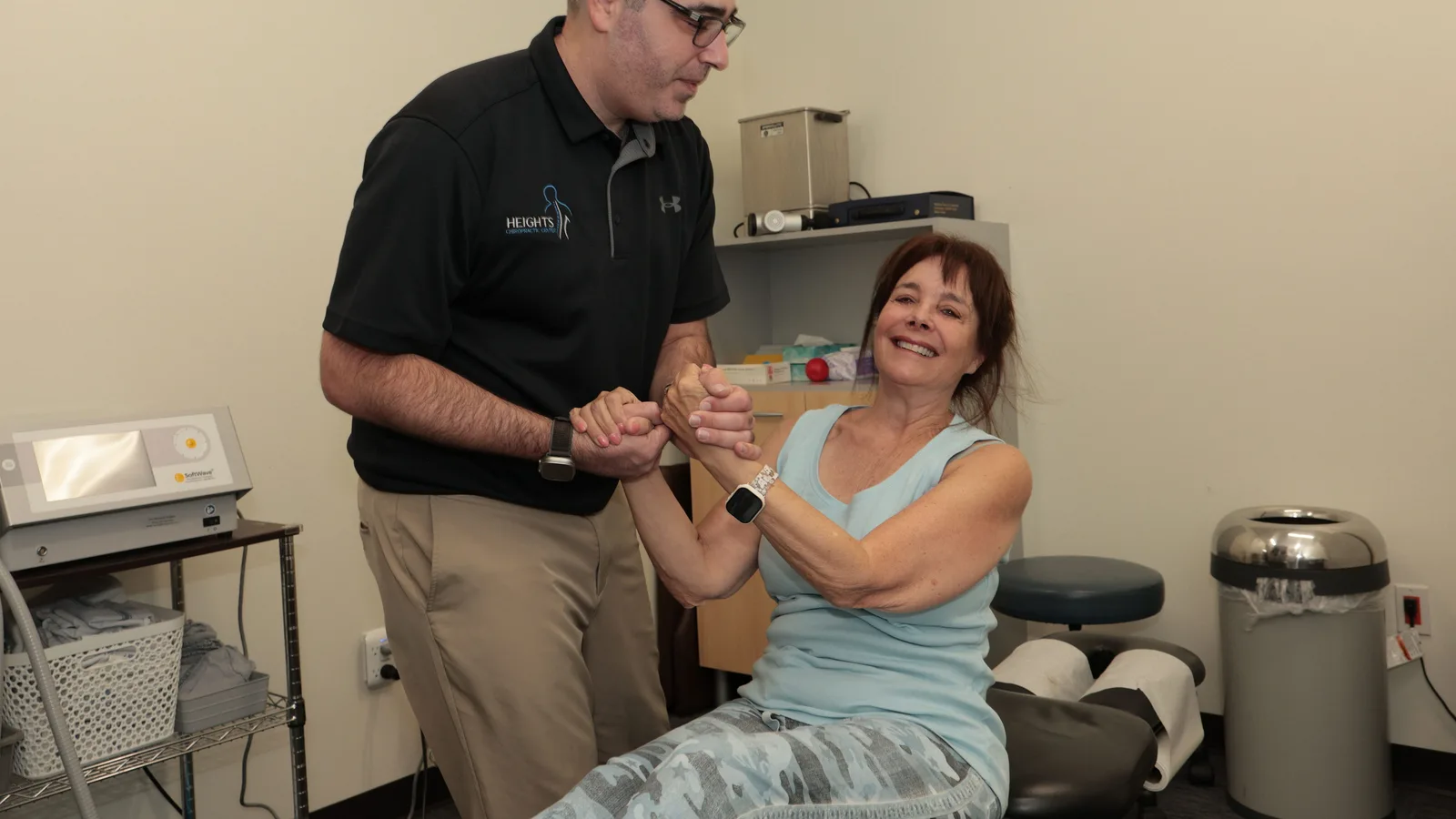
Most of us think of stress as something we feel — a racing heart before a big meeting, a tight chest during a difficult conversation, or that overwhelming sense that there's simply too much on your plate. But here's what many people don't realize: stress doesn't always announce itself. Sometimes it hides in plain sight, quietly building up in your muscles, your spine, and your nervous system long before you ever feel "stressed." At Heights Chiropractic Center in Houston, TX, we see this every single day. Patients come in for neck pain, headaches, or low back tension — and when we dig a little deeper, stress is often a major piece of the puzzle. Understanding how stress shows up in the body is one of the most important things you can do for your long-term health.
What does it mean when stress "shows up in the body"?
When your body experiences stress — whether emotional, physical, or environmental — it triggers a cascade of physiological responses. Your muscles tighten, your posture shifts, your breathing becomes shallower, and your nervous system stays on high alert. Over time, these responses accumulate and create real, measurable symptoms, even when you don't consciously feel stressed. Chiropractic care and stress relief often go hand in hand because so many of these physical effects are rooted in the spine and musculoskeletal system.
- How Stress Works in the Body
- Physical Signs of Stress You Might Be Ignoring
- The Connection Between Stress and Your Spine
- How Chiropractic Care Fits Into Stress Relief
- Practical Tips for Managing Stress on a Daily Basis
- When to See a Chiropractor About Stress-Related Symptoms
- Stress Responses: Acute vs. Chronic
- Myths vs. Facts About Stress and the Body
- Final Thoughts from Heights Chiropractic Center
- Frequently Asked Questions
- TL;DR Summary
How Stress Works in the Body
To understand why stress creates physical symptoms, it helps to understand what stress actually does inside you. When your brain perceives a threat — whether that's a looming work deadline, a difficult relationship, financial pressure, or even Houston's notoriously frustrating traffic — it activates what's commonly known as the "fight-or-flight" response. This is your body's built-in survival mechanism, and it's incredibly powerful.
Your adrenal glands release hormones like cortisol and adrenaline. Your heart rate increases. Blood gets redirected away from your digestive system and toward your major muscle groups. Your muscles tense up in preparation to either fight or flee. Your breathing becomes faster and shallower. These are all completely normal responses in the short term. The problem is that modern life doesn't give us many opportunities to physically "resolve" these stress responses the way our ancestors did. Instead, many of us stay stuck in a low-grade state of physiological alert for hours, days, weeks, or even years.
That chronic, low-level activation is where the trouble really begins. When your nervous system stays in a heightened state for extended periods, it starts to affect everything — your sleep, your digestion, your immune function, your posture, and yes, your spine. The body is remarkably adaptable, but it has its limits. And when those limits are exceeded, physical symptoms emerge whether you feel "stressed out" or not.
Physical Signs of Stress You Might Be Ignoring
This is where things get interesting, and often surprising, for many of our patients here in Houston. People walk in thinking they have a muscle problem, a posture problem, or a sleep problem — and all of those things may be true. But underneath them is a stress response that's been running quietly in the background for months or years.
One of the most common physical manifestations of stress is muscle tension, particularly in the neck, shoulders, and upper back. When you're under stress, your trapezius muscles — the large muscles that run from your neck down to your mid-back — tend to hike up and hold tension chronically. This can lead to stiffness, tenderness, and eventually, headaches. Tension headaches are among the most frequent stress-related complaints we hear about at Heights Chiropractic Center.
Jaw clenching and teeth grinding, known as bruxism, are another telltale sign. Many people grind their teeth during sleep without ever realizing it, waking up with jaw pain, facial soreness, or a dull headache. Changes in digestion — like bloating, constipation, or nausea — are also very common. Because stress diverts blood flow away from the digestive tract, your gut literally slows down under pressure. Fatigue that doesn't improve with rest, frequent colds or infections due to suppressed immune function, and even skin flare-ups can all be physical expressions of a stressed nervous system. The list is longer than most people expect, and that's exactly why stress so often goes unidentified as the root cause.
The Connection Between Stress and Your Spine
Here at Heights Chiropractic Center, one of the things Dr. Aaron Dushkin pays close attention to is how emotional and psychological stress translates directly into physical changes in the spine. This isn't just anecdotal — it's rooted in how the nervous system is organized.
Your spine is the primary corridor through which your central and peripheral nervous systems communicate. Every nerve that travels to your organs, muscles, and extremities passes through or near your spinal column. When you're chronically stressed, the muscles that support your spine are in a near-constant state of contraction. Over time, this muscular tension can pull vertebrae out of their ideal alignment, contributing to what chiropractors call subluxations — areas where the spine isn't moving or positioned optimally, which can interfere with nerve function.
Chronic stress also has a significant impact on posture. Think about how your body position changes when you're anxious or overwhelmed: shoulders roll forward, the head juts out in front of the body, the chest collapses inward. This posture — often called "stress posture" — places enormous mechanical load on the cervical and thoracic spine. Over time, it can contribute to disc compression, nerve irritation, and persistent muscle imbalances. Dr. Aaron Dushkin sees these postural patterns frequently in patients who work demanding jobs, commute long distances, or are navigating high-stress life circumstances here in the Houston area.
There's also a feedback loop worth understanding: spinal dysfunction and nerve irritation can actually amplify your body's stress response, making it harder for your nervous system to calm down. This means that addressing spinal alignment isn't just about managing pain — it's also about supporting the overall function of your nervous system, which directly affects how your body handles stress.
How Chiropractic Care Fits Into Stress Relief
Chiropractic care and stress relief have a relationship that goes deeper than simply cracking your back and sending you on your way. A chiropractic adjustment is a carefully applied force designed to restore proper motion and alignment to the spine. When the spine moves well and nerve pathways are clear, the nervous system is better able to regulate itself — including transitioning out of that chronic fight-or-flight mode we talked about earlier.
Research suggests that spinal manipulation may influence the autonomic nervous system, which is the part of your nervous system responsible for regulating involuntary functions like heart rate, digestion, and stress hormone levels. Some evidence indicates that chiropractic adjustments can help shift the body toward a more parasympathetic state — the "rest and digest" mode that counterbalances fight-or-flight. While chiropractic care is not a treatment for stress itself, it can play a meaningful role in helping your body respond more resiliently to the stressors it faces.
At Heights Chiropractic Center, the approach to stress-related physical complaints is thorough and individualized. Dr. Aaron Dushkin takes the time to understand what's going on in your life, not just in your spine. A comprehensive evaluation helps identify where tension is being held, how posture has been affected, and what areas of the spine may need attention. Care plans are personalized — because no two patients, and no two stress patterns, are exactly alike. For many Houston-area patients, regular chiropractic care becomes an important part of a broader wellness routine that helps them feel more grounded, less tense, and more physically comfortable in their day-to-day lives.
Practical Tips for Managing Stress on a Daily Basis
Chiropractic care works best when it's supported by healthy daily habits. There are several things you can do outside of the office to help your body manage the effects of stress more effectively.
Movement is medicine. Even a 20-minute walk can meaningfully reduce cortisol levels and help your muscles release accumulated tension. Houston has some beautiful parks and trails — take advantage of them when you can. Gentle movement throughout the day, like standing up from your desk every hour and doing a few shoulder rolls or chin tucks, can also prevent the postural collapse that stress tends to create.
Pay attention to your breathing. Shallow, chest-level breathing is a hallmark of the stress response, and it keeps your nervous system in a heightened state. Practicing slow, diaphragmatic breathing — where your belly rises before your chest — activates the parasympathetic nervous system and can produce a calming effect within just a few minutes. Sleep is another non-negotiable. Your body does the bulk of its repair and regulation during sleep, and chronic sleep deprivation makes you significantly more vulnerable to the physical effects of stress.
Finally, be intentional about ergonomics. Many Houston residents spend eight or more hours a day at a desk or in a car. Make sure your monitor is at eye level, your chair supports your lumbar curve, and your feet are flat on the floor. These small adjustments reduce the mechanical strain that compounds the effects of stress on your spine and muscles.
When to See a Chiropractor About Stress-Related Symptoms
If you're experiencing persistent neck pain, tension headaches, upper back tightness, or low back discomfort that doesn't resolve with rest, it may be time to schedule an evaluation. These symptoms often have a strong stress component, and addressing them conservatively — without medications or surgery — is something chiropractic care is very well suited for.
You should also consider seeking care if you notice that your symptoms consistently worsen during high-stress periods at work or in your personal life. That pattern is a strong indicator that your nervous system and musculoskeletal system are closely linked in how they respond to your stress load.
There are some situations that warrant medical attention rather than, or in addition to, chiropractic care. If you experience chest pain, shortness of breath, sudden severe headache, numbness or tingling that radiates into your arms or legs, or any symptom that feels acute or alarming, please seek medical care promptly. A good chiropractor will always refer out when appropriate, and Dr. Aaron Dushkin prioritizes your overall health and safety above all else.
Stress Responses: Acute vs. Chronic
| Feature | Acute Stress Response | Chronic Stress Response |
|---|---|---|
| Duration | Short-term (minutes to hours) | Long-term (weeks, months, years) |
| Trigger | Specific, identifiable event | Ongoing life pressure, often vague |
| Physical Effect on Muscles | Temporary tension that resolves | Persistent tightness, muscle imbalances |
| Effect on Posture | Minimal or temporary | Forward head posture, rounded shoulders |
| Spinal Impact | Usually minimal | Potential subluxation, disc compression |
| Nervous System State | Temporary fight-or-flight, then recovery | Prolonged sympathetic dominance |
| Common Symptoms | Rapid heartbeat, sweating, alertness | Headaches, fatigue, chronic pain, poor sleep |
| Chiropractic Role | Supportive, preventative | Active, therapeutic, part of ongoing wellness |
Myths vs. Facts About Stress and the Body
Myth: If you don't feel anxious, you're not stressed.
Fact: Stress is a physiological state, not just an emotion. Your body can be in a chronic stress response without you feeling particularly anxious or overwhelmed. Many people with high allostatic load — the cumulative wear on the body from stress — describe feeling "fine" emotionally while carrying significant physical tension and dysfunction.
Myth: Chiropractic care is only for back injuries.
Fact: Chiropractic care addresses the spine and nervous system, both of which are profoundly affected by stress. Many patients seek chiropractic care specifically for stress-related physical symptoms like tension headaches, chronic muscle tightness, and fatigue — not just acute injuries.
Myth: Stress-related physical symptoms will go away on their own once life calms down.
Fact: For some people, this is partially true. But for many others, the physical patterns created by chronic stress — postural shifts, muscle imbalances, spinal dysfunction — become entrenched and don't self-correct without intervention. Waiting too long can make recovery more involved than it needs to be.
Myth: Relaxation and stress management are enough to reverse physical symptoms.
Fact: Mindfulness, yoga, and stress management are genuinely valuable. But once the musculoskeletal system has adapted to a chronic stress pattern, relaxation alone may not restore full function. A combined approach that includes chiropractic care, movement, and stress management tends to produce better outcomes than any single strategy in isolation.
Myth: Children and young adults don't need to worry about stress-related physical symptoms.
Fact: Stress-related physical symptoms can affect people at any age. In Houston's high-pressure academic and professional environments, younger patients are increasingly presenting with tension-related complaints that have a clear stress component.
Final Thoughts from Heights Chiropractic Center
Living in a city as dynamic and fast-paced as Houston means that stress is often just part of the background — something we accept as normal. But normal doesn't mean harmless, and it certainly doesn't mean inevitable. Your body is constantly sending you signals, and learning to listen to those signals — and respond to them — is one of the most powerful things you can do for your long-term wellbeing.
At Heights Chiropractic Center, Dr. Aaron Dushkin and the team are here to help you understand what your body is telling you and support it in functioning at its best. Whether you're dealing with chronic tension you can't quite explain, headaches that come and go with your schedule, or that deep muscle fatigue that sleep just doesn't seem to fix, we want to help you get to the bottom of it. Chiropractic care and stress relief aren't a magic solution — but they are a meaningful, evidence-informed, drug-free part of living and feeling better.
We're proud to serve the Heights neighborhood and the greater Houston community. If any of what you've read here sounds familiar, we encourage you to reach out to Heights Chiropractic Center and take that first step toward feeling like yourself again.
Frequently Asked Questions
Can chiropractic care actually help with stress?
Chiropractic care doesn't treat stress as a psychological condition, but it can help address the physical effects that stress creates in the body — including muscle tension, spinal dysfunction, and nervous system dysregulation. Many patients report feeling more relaxed and less tense after regular chiropractic adjustments, which aligns with research suggesting that spinal manipulation may influence the autonomic nervous system.
How do I know if my physical symptoms are stress-related?
A strong indicator is whether your symptoms worsen during high-stress periods and improve when life slows down. A thorough evaluation by Dr. Aaron Dushkin can help identify whether stress is contributing to your physical complaints and what the best approach to care might be.
How often should I see a chiropractor for stress-related tension?
This depends on the severity and duration of your symptoms. Some patients benefit from weekly visits initially, tapering to monthly maintenance care once symptoms improve. Dr. Aaron Dushkin creates individualized care plans rather than applying a one-size-fits-all approach.
Is it safe to receive chiropractic adjustments if I'm under a lot of stress?
Yes, for the vast majority of patients, chiropractic adjustments are safe and gentle. In fact, many patients find that chiropractic care during high-stress periods helps them feel more physically grounded and comfortable. A full health history is always taken before beginning care to ensure safety and appropriateness.
What other therapies complement chiropractic care for stress relief?
Many patients benefit from combining chiropractic care with regular exercise, mindfulness or breathing practices, adequate sleep, and proper ergonomics. These approaches work synergistically — chiropractic care addresses the physical adaptations to stress, while lifestyle habits help prevent the stress response from building up in the first place.
Can chronic stress cause permanent spinal damage?
Chronic stress-related postural changes and muscle tension can accelerate degenerative changes in the spine over time if left unaddressed. However, with appropriate care and lifestyle modifications, it's possible to slow or manage these changes significantly. Early intervention is always preferable to waiting for symptoms to become severe.
TL;DR Summary
- Stress creates real, measurable physical symptoms — including muscle tension, headaches, poor posture, and spinal dysfunction — even when you don't feel emotionally stressed.
- Chronic stress keeps your nervous system in a prolonged fight-or-flight state, which directly affects your spine, muscles, and overall physical function.
- Chiropractic care and stress relief are closely connected because spinal health and nervous system function are deeply intertwined with how your body handles stress.
- Dr. Aaron Dushkin at Heights Chiropractic Center in Houston, TX offers individualized, conservative care to help address the physical effects of stress on the body.
- Supporting chiropractic care with healthy movement, good sleep, mindful breathing, and proper ergonomics produces the best long-term outcomes for stress-related physical symptoms.