
Wellness · July 30, 2026
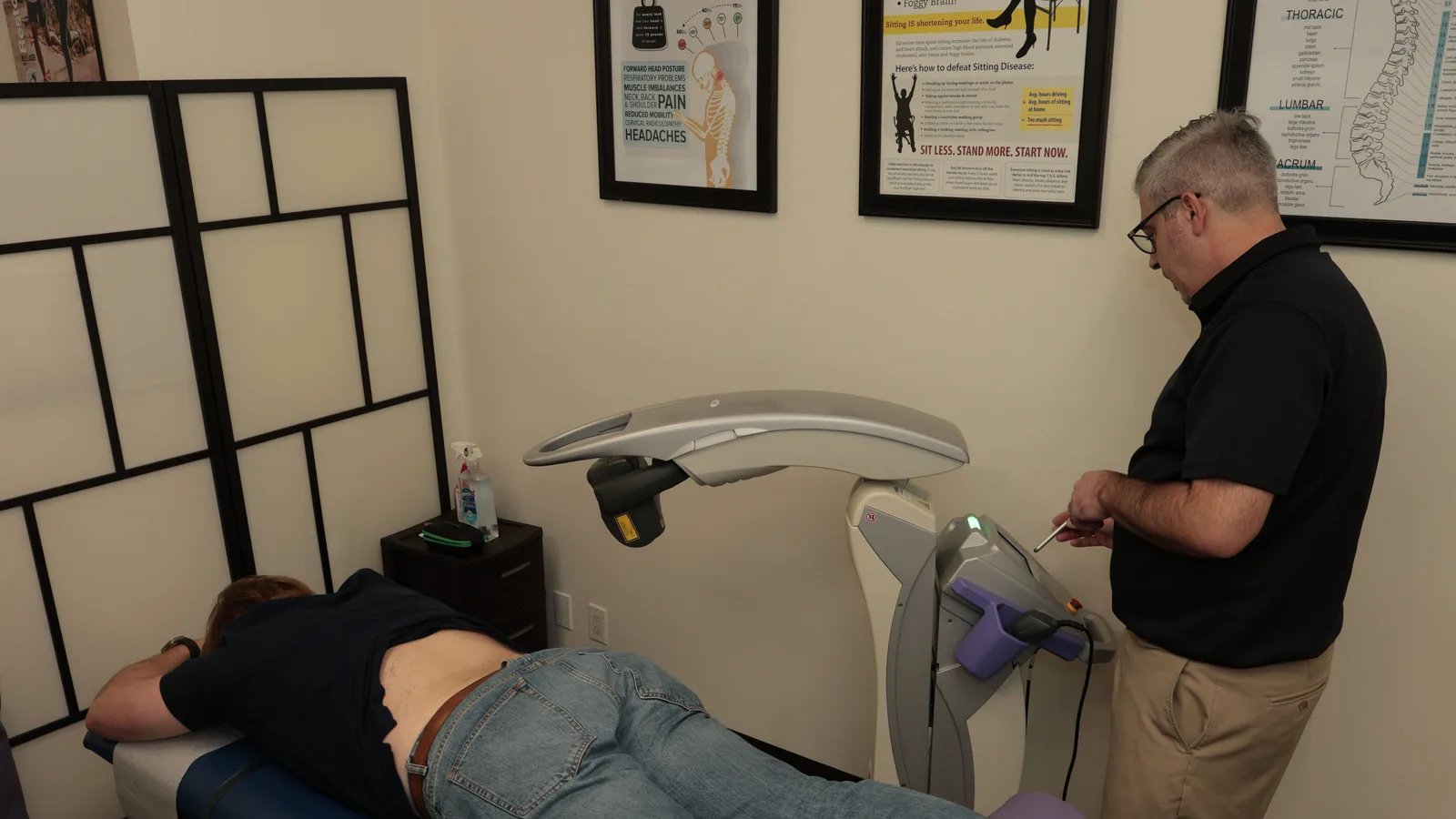
If you've ever woken up with a stiff neck, aching lower back, or that nagging pain between your shoulder blades, there's a good chance your sleep position is partly to blame. Most of us spend somewhere between six and nine hours in bed each night — and the position your body is in during all those hours matters far more than most people realize. At Heights Chiropractic Center in Houston, TX, we talk to patients every day about healthy sleep habits and how the right sleep position can support a healthier, happier spine. The good news? Small changes to how you sleep can make a genuinely big difference in how you feel during the day.
What does "healthy sleep" have to do with your spine?
Healthy sleep isn't just about getting enough hours — it's about giving your spine the rest and alignment it needs to recover overnight. When your spine is supported properly during sleep, your muscles relax, your discs rehydrate, and your nervous system gets the downtime it deserves. Poor sleep positions, on the other hand, can create tension, compress joints, and contribute to chronic pain patterns over time.
- Why Sleep Position Matters for Spinal Health
- The Best Sleep Positions for Your Spine
- Sleep Positions That May Be Hurting You
- The Role of Pillows and Mattresses
- How Chiropractic Care Supports Healthy Sleep
- Practical Tips for Better Sleep Tonight
- When to See a Chiropractor
- Myths vs. Facts About Sleep and Spinal Health
Why Sleep Position Matters for Spinal Health
Your spine has a natural, gentle S-shaped curve. When you're standing and moving with good posture, that curve distributes your body weight evenly and keeps stress off your joints and discs. At night, the goal is to maintain that same natural alignment — even while you're unconscious and can't consciously correct your posture.
When sleep positions place the spine in awkward angles for hours at a time, the surrounding muscles have to work to compensate. That low-grade muscular effort doesn't allow your body to fully relax. Over time, this can lead to morning stiffness, recurring headaches, tension in the neck and shoulders, and even radiating pain down the arms or legs. Here in Houston, many patients who come to see us at Heights Chiropractic Center are surprised to learn that issues they assumed were "just part of life" are actually being reinforced — night after night — by the way they sleep.
It's also worth noting that your intervertebral discs — the cushioning pads between your spinal vertebrae — absorb fluid and partially regenerate overnight. This process works best when your spine is properly decompressed and aligned during sleep. Think of restful, properly supported sleep as a form of nightly maintenance for your spine.
The Best Sleep Positions for Your Spine
Sleeping on Your Back
Sleeping on your back is generally considered one of the most spine-friendly positions available to you. When you lie on your back, your weight is distributed evenly across the widest surface of your body. Your spine has the best chance of maintaining its natural curves, especially when supported by a good mattress and an appropriately sized pillow under your head and neck.
For back sleepers, placing a pillow under your knees can make a meaningful difference. This slight elevation takes pressure off the lumbar spine and allows the lower back muscles to truly relax. Dr. Aaron Dushkin often recommends this simple adjustment to patients dealing with lower back discomfort, and many notice an improvement within just a few nights.
Sleeping on Your Side
Side sleeping is the most common position, and when done correctly, it can also be very supportive for spinal health. The key is keeping your spine in a straight, neutral line from your neck all the way down through your hips. Your pillow should fill the space between your ear and the mattress so your head isn't tilting up or dropping down.
Placing a pillow between your knees is a game-changer for side sleepers. Without it, the top leg tends to drop forward and rotate the pelvis, pulling the lower spine out of alignment. A supportive pillow between the knees keeps your hips, pelvis, and spine stacked properly throughout the night. Patients at Heights Chiropractic Center in Houston who make this change often report less hip and lower back pain within a short period.
The Fetal Position — With Caution
Curling tightly into a fetal position is a variation of side sleeping, but it comes with some caveats. Extreme curling can create excess rounding in the thoracic (mid-back) region and may compress the chest, making breathing slightly more labored. A modified, loosely curled side position — rather than a tight tuck — is generally better for spinal alignment.
Sleep Positions That May Be Hurting You
Sleeping on Your Stomach
Stomach sleeping is widely considered the most problematic position for spinal health. When you lie face down, your neck must rotate sharply to one side for hours at a time. This sustained rotation places significant stress on the cervical (neck) spine and the surrounding musculature. It can also flatten the natural lumbar curve, placing strain on the lower back.
At Heights Chiropractic Center, Dr. Aaron Dushkin sees a pattern among patients who are chronic stomach sleepers — they often present with recurring neck pain, morning headaches, and tension that runs from the base of the skull into the upper shoulders. If you're a committed stomach sleeper and find it nearly impossible to change, placing a thin pillow under your pelvis and forgoing a head pillow entirely can reduce some of the strain. But the ideal goal is to gradually train yourself toward side or back sleeping.
Unsupported Arm Positions
Regardless of your primary sleep position, where your arms rest matters too. Sleeping with your arm tucked under your head, or reaching overhead for extended periods, can compress nerves and blood vessels, leading to that familiar "dead arm" tingling many people experience. Try to keep your arms in a relaxed, neutral position close to your body.
The Role of Pillows and Mattresses
Even the best sleep position won't serve you well if your mattress or pillow isn't doing its job. A mattress that's too soft allows the heavier parts of your body — typically your hips and shoulders — to sink in ways that misalign the spine. A mattress that's too firm can create pressure points that cause you to toss and turn. Generally, a medium-firm mattress tends to work well for most people, though individual needs vary based on body type, weight, and preferred sleep position.
Pillows are equally important and are often overlooked. A pillow that's too thick pushes your head forward and up; one that's too flat lets it drop. The right pillow height — often called the "loft" — should keep your head and neck in a neutral position that mirrors your natural standing posture. Cervical contour pillows, which are shaped to support the curve of the neck, are something many of our patients at Heights Chiropractic Center have found helpful after discussion with our team.
If you're unsure what mattress or pillow setup is right for your body and sleep style, this is a great question to bring up during a chiropractic consultation. Dr. Aaron Dushkin and the team here in Houston are happy to offer personalized guidance based on your individual spinal needs.
How Chiropractic Care Supports Healthy Sleep
There's a meaningful connection between chiropractic care and healthy sleep quality. When the spine is misaligned, the surrounding nerves and muscles can remain in a state of low-level stress and tension — even when you're trying to rest. Chiropractic adjustments work to restore proper alignment, reduce joint restriction, and calm the nervous system, which can contribute to more restful, restorative sleep.
Research published through organizations like the National Institutes of Health and the American Chiropractic Association suggests that chiropractic care may help reduce musculoskeletal pain, which is one of the most common barriers to quality sleep. Evidence also indicates that spinal manipulation can have a positive effect on nervous system regulation, which plays a role in how easily you fall and stay asleep.
At Heights Chiropractic Center, our approach is always individualized. When you come in for a consultation, Dr. Aaron Dushkin will take time to understand your sleep habits, posture patterns, and any areas of discomfort you're experiencing. From there, a care plan is developed that addresses not just your current symptoms but the underlying mechanical causes that may be contributing to them. Chiropractic care here in Houston is about more than just cracking your back — it's about helping your whole body function the way it was designed to.
Practical Tips for Better Sleep Tonight
Making meaningful changes to your sleep habits doesn't have to feel overwhelming. Here are some straightforward, chiropractor-approved adjustments you can start implementing right away to support a healthier spine during sleep.
Start by evaluating your pillow. If you wake up with neck stiffness or headaches consistently, your pillow may be the culprit. Try adjusting the loft by adding or removing fill if your pillow allows, or consider a cervical support pillow designed to maintain neck curvature. It sounds simple, but this one change can have a surprisingly significant impact.
If you're a side sleeper, commit to placing a firm pillow between your knees every night. It may feel a little strange at first, but after a week or two, most people find it hard to sleep without it. Back sleepers should experiment with a bolster or rolled towel under the knees to reduce lumbar tension. These are low-cost, low-effort interventions with real potential to reduce morning discomfort.
Take a moment before bed to gently stretch your hips, hamstrings, and lower back. Tight hips and hamstrings pull on the pelvis and lumbar spine during sleep, working against even the best sleep position. A few minutes of calm, gentle movement before lying down can make a genuine difference in how your body settles in overnight.
Finally, pay attention to your transition positions. How you get in and out of bed matters. Rolling to your side before pushing up to sitting — rather than doing a straight "crunch" motion — protects your lumbar spine and reduces unnecessary strain, especially first thing in the morning when the discs are freshly rehydrated.
When to See a Chiropractor
If you've been waking up in pain consistently for more than a few weeks, that's a clear signal your body is asking for some professional attention. Morning stiffness that takes longer than 20-30 minutes to ease, recurring neck tension, mid-back achiness, or hip discomfort that seems worse after sleep are all patterns worth having evaluated by a chiropractor.
Chiropractic care may be particularly appropriate if your pain is clearly related to how you sleep, if you've tried adjusting your position without success, or if the discomfort is beginning to affect your daytime energy and focus. Healthy sleep should leave you feeling refreshed, not sore and tired.
There are also certain red flag symptoms that call for prompt medical evaluation rather than chiropractic care alone. These include numbness or tingling that doesn't resolve, severe radiating pain down an arm or leg, unexplained weakness, or pain that is worsening rapidly. If any of these describe your situation, please seek medical attention promptly — a good chiropractor will always refer you to the appropriate provider when needed.
If you're in the Houston area and any of the patterns described above sound familiar, we warmly encourage you to reach out to Heights Chiropractic Center to schedule a consultation. Getting answers doesn't have to be complicated, and taking the first step is often the hardest part.
Sleep Position Comparison: Spinal Impact at a Glance
| Sleep Position | Spinal Impact | Best For | Key Modification |
|---|---|---|---|
| Back Sleeping | Even weight distribution; supports natural spinal curves | Most people; lower back conditions | Pillow under knees to reduce lumbar strain |
| Side Sleeping | Good alignment if hips are stacked; common and generally safe | Pregnant individuals; snorers; most adults | Pillow between knees; proper head pillow loft |
| Fetal (Curled Side) | Can round the thoracic spine excessively if curled too tight | Those who naturally curl; not recommended tightly | Keep curl loose; avoid extreme knee-to-chest position |
| Stomach Sleeping | Significant neck rotation; flattens lumbar curve; high-risk position | Generally not recommended for spinal health | Thin pillow under pelvis; work toward transitioning away |
Myths vs. Facts About Sleep and Spinal Health
Myth: A firm mattress is always better for your back.
Fact: While support is important, an overly firm mattress can actually create pressure points at the hips and shoulders, leading to misalignment. Research and clinical experience both suggest that medium-firm mattresses tend to suit most people, though individual needs vary. The best mattress is the one that keeps your spine in a neutral position throughout the night.
Myth: If you've slept the same way your whole life, it's too late to change.
Fact: It's never too late to adjust your sleep habits. Like any postural pattern, sleep positions can be retrained over time with patience and the right support tools. Many patients at Heights Chiropractic Center in Houston have successfully shifted their sleep positions with some guidance and a few helpful props, such as body pillows and knee bolsters.
Myth: Pain that starts in the morning will always go away on its own.
Fact: While some morning stiffness is normal, pain that consistently greets you upon waking — and takes a long time to ease — is a signal worth paying attention to. Recurring morning pain can indicate underlying joint restriction, spinal misalignment, or muscular imbalances that benefit from professional evaluation rather than waiting it out.
Myth: Chiropractic care is only for people who are already in serious pain.
Fact: Chiropractic care is equally valuable as a proactive, wellness-oriented practice. Many patients in Houston visit Heights Chiropractic Center for regular maintenance and preventive care — not because they're in crisis, but because they understand the value of keeping their spine healthy before problems escalate.
Myth: Sleeping on your stomach is fine as long as you rotate which side you turn your head.
Fact: Alternating which direction you turn your head while stomach sleeping doesn't eliminate the problem — it just distributes the strain more evenly between the two sides of the neck. The cervical spine is still in sustained rotation either way, and the lumbar curve is still being flattened. Transitioning away from stomach sleeping is the more effective long-term solution.
Final Thoughts: Sleep Well, Live Better
Healthy sleep and spinal health are deeply connected, and the relationship between the two deserves more attention than most of us give it. Your body does a tremendous amount of healing and restoring while you sleep — and the position your spine is in during those hours either supports that process or works against it.
At Heights Chiropractic Center, we are passionate about helping the Houston community move better, feel better, and live with less pain. Whether you're dealing with chronic morning stiffness, recurring neck tension, or just want to be proactive about your long-term spinal wellness, our team is here for you. Dr. Aaron Dushkin takes a thoughtful, individualized approach to every patient and would be glad to talk through your sleep habits, posture patterns, and any symptoms you're experiencing.
You deserve to wake up feeling rested and well. If you're in the Houston area and ready to take the next step toward a healthier spine and better nights, we invite you to reach out to Heights Chiropractic Center and schedule a consultation. It's a conversation worth having — and your spine will thank you for it.
Frequently Asked Questions
What is the best sleep position for lower back pain?
Back sleeping with a pillow placed under the knees is generally considered excellent for lower back pain, as it supports the lumbar curve and distributes weight evenly. Side sleeping with a pillow between the knees is another strong option. The most important factor is maintaining a neutral spinal alignment throughout the night.
Can the wrong sleep position cause long-term spinal problems?
Over time, consistently sleeping in positions that strain the spine can contribute to chronic muscle tension, joint restriction, and discomfort patterns that become harder to resolve. While one bad night is unlikely to cause lasting damage, years of poor sleep positioning can reinforce musculoskeletal imbalances that affect daytime comfort and mobility.
How do I know if my pillow is causing my neck pain?
If your neck feels better after a few hours of being awake, but stiff or sore immediately upon waking, your pillow is a likely contributor. A pillow that doesn't keep your head in a neutral, level position with your spine is a common cause of cervical discomfort. A chiropractor can help you identify the right pillow type and loft for your body and sleep style.
Can chiropractic adjustments improve sleep quality?
Many patients report improvements in sleep quality following chiropractic care, and evidence suggests that reducing musculoskeletal pain and nervous system tension can positively influence the ability to rest. While chiropractic care is not a sleep treatment per se, addressing spinal misalignment and related discomfort can remove barriers that interfere with restful, restorative sleep.
How long does it take to retrain a sleep position?
Most people find that with consistent effort and the right support tools — such as body pillows or knee bolsters — they can begin adapting to a new sleep position within a few weeks. It may take longer for deeply ingrained habits, but gradual progress is both normal and achievable. Patience and consistency are the most important ingredients.
Should I see a chiropractor if I only have morning stiffness, not "real" pain?
Absolutely — morning stiffness that is recurring is a meaningful signal from your body and worth discussing with a chiropractor. Early evaluation can help identify underlying patterns before they develop into more significant discomfort. Chiropractic care is well-suited to proactive, wellness-focused visits, not just crisis management.
TL;DR — Key Takeaways
- Back sleeping and properly supported side sleeping are the most spine-friendly positions; stomach sleeping places significant strain on the neck and lower back.
- Simple modifications — like placing a pillow under the knees for back sleepers or between the knees for side sleepers — can meaningfully reduce spinal stress overnight.
- Your pillow and mattress play a critical role in maintaining spinal alignment; a medium-firm mattress and correctly lofted pillow are good starting points for most people.
- Chiropractic care can support healthy sleep by addressing spinal misalignment, reducing musculoskeletal tension, and calming the nervous system.
- If you're consistently waking up in pain or stiffness in the Houston area, Heights Chiropractic Center and Dr. Aaron Dushkin are here to help you find lasting relief and better rest.