
Wellness · August 7, 2026
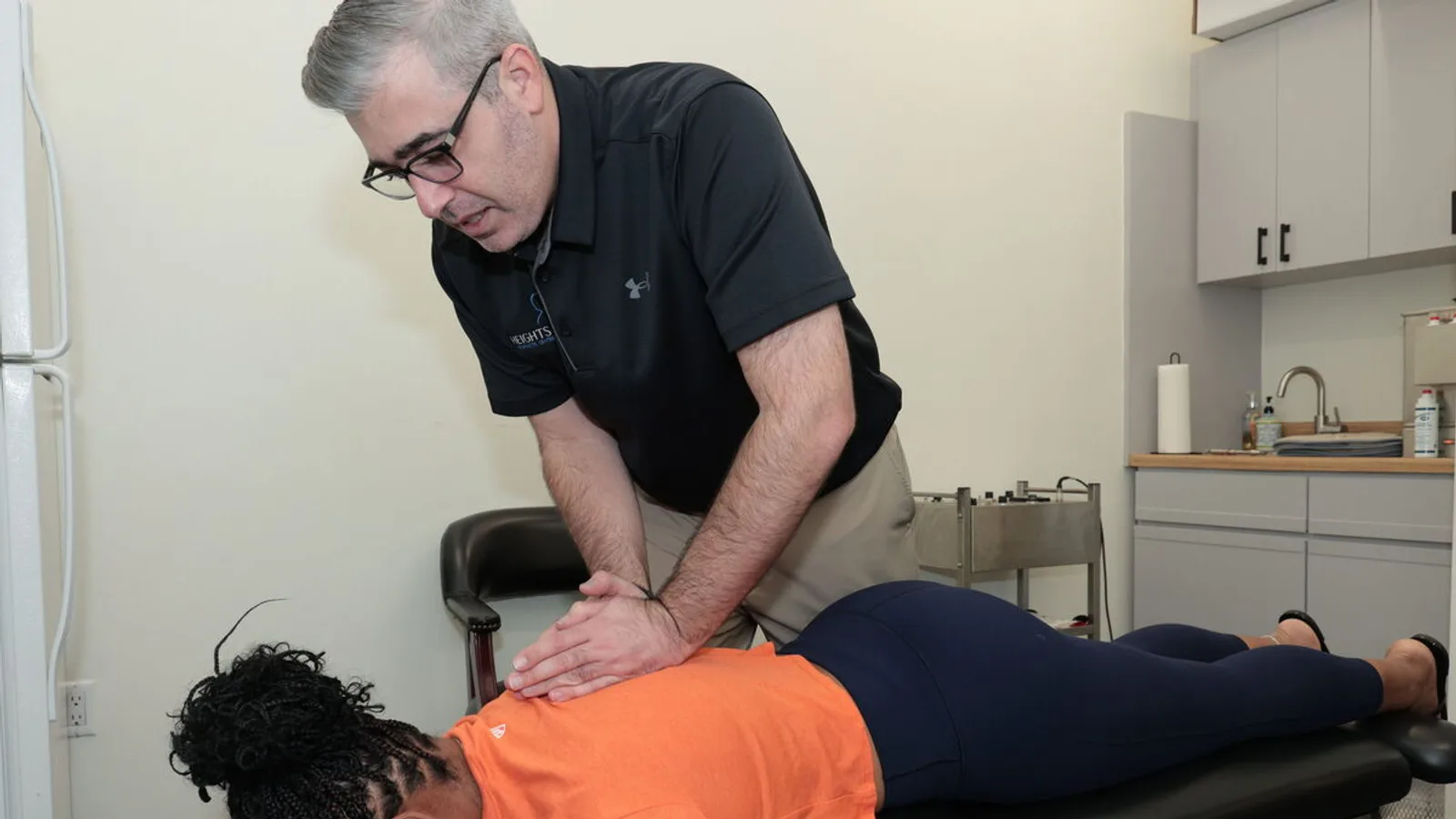
Lower back pain is one of the most common reasons people seek medical care — and if you've ever dealt with it yourself, you know just how much it can disrupt your daily life. Whether it's that dull ache after a long day at work, a sharp twinge when you bend down, or stiffness that won't quit in the morning, lower back pain has a way of stealing your attention and slowing you down. Here in Houston, TX, many patients come through the doors of Heights Chiropractic Center looking for relief — not just a temporary fix, but a real, lasting solution. The good news? Chiropractic adjustments for lower back pain have a well-established track record as a safe, natural, and effective approach to finding relief.
What Are Chiropractic Adjustments for Lower Back Pain?
Chiropractic adjustments — also called spinal manipulations — involve a chiropractor applying controlled, precise force to specific joints in the spine to restore proper alignment and movement. When the spine is misaligned or joints become restricted, it can create tension, inflammation, and nerve irritation that shows up as lower back pain. Adjustments are designed to address those underlying issues gently and non-invasively, without the need for medication or surgery.
Why Chiropractic Care Works for Lower Back Pain
The spine is an intricate structure — 33 vertebrae stacked together, supported by muscles, ligaments, and discs, all working as a team to keep you upright and mobile. When any part of that system gets out of balance, the ripple effect can be significant. Restricted joints can alter your movement patterns, overload nearby muscles, and even irritate nearby nerves — all of which contribute to the pain and stiffness you feel in your lower back.
Chiropractic adjustments work by restoring proper joint motion in the spine. When a joint is moved through its full range of motion, it helps reduce inflammation, release muscle tension, and improve the communication between the nervous system and the body. Research published through organizations like the American Chiropractic Association and reviewed by bodies such as the National Center for Complementary and Integrative Health suggests that spinal manipulation is an effective treatment option for acute and chronic low back pain. In fact, major clinical guidelines — including those from the American College of Physicians — now recommend spinal manipulation as a first-line, non-drug treatment for low back pain.
That's not a small thing. It means that when you choose chiropractic care for your lower back pain, you're not just taking a chance — you're making a choice that is backed by a growing body of evidence and supported by mainstream medical guidance.
Common Causes of Lower Back Pain
Lower back pain doesn't have a single cause — it can develop from a wide variety of everyday situations and underlying conditions. Understanding what's driving your pain is the first step toward addressing it effectively. At Heights Chiropractic Center in Houston, Dr. Aaron Dushkin takes the time to thoroughly evaluate each patient so that care is always targeted to the actual source of discomfort.
Some of the most common contributors to lower back pain include muscle or ligament strains from heavy lifting or sudden awkward movements. These are among the most frequent causes and often respond very well to chiropractic care. Postural stress is another big one — especially for people who spend long hours sitting at a desk or commuting in traffic (which, let's face it, is a very Houston reality). Over time, poor posture places uneven load on the lumbar spine, and those small stresses add up.
Disc issues are also a common culprit. The discs between your vertebrae act as shock absorbers, and when they bulge or herniate, they can press on surrounding nerves and cause significant pain, sometimes radiating down into the hips or legs. Degenerative joint changes in the spine, sacroiliac joint dysfunction, and even muscle imbalances from a sedentary lifestyle can all play a role. Chiropractic care is uniquely positioned to address many of these root causes — not just the symptoms on the surface.
What to Expect During a Chiropractic Visit
If you've never been to a chiropractor before, it's completely natural to feel a little uncertain about what happens during an appointment. The reality is that most people find their first visit to be far more comfortable and straightforward than they expected. At Heights Chiropractic Center, Dr. Aaron Dushkin begins with a thorough consultation and physical examination to understand exactly what's going on with your spine and how your lower back pain developed.
This typically involves discussing your health history, your symptoms, when the pain started, and what makes it better or worse. Orthopedic and neurological tests may be performed to assess your range of motion, muscle strength, and nerve function. In some cases, imaging like X-rays may be recommended to get a clearer picture of your spinal structure.
Once Dr. Dushkin has a complete picture of what's happening, he'll design a care plan tailored specifically to you. Adjustments themselves are usually quick and gentle. You may hear a popping sound during an adjustment — that's just gas releasing from the joint, similar to cracking your knuckles. Most patients actually find adjustments to be a relief rather than uncomfortable. Many people report feeling looser, taller, and more relaxed right after a session.
How Chiropractic Adjustments Fit Into Your Care
One of the things that makes chiropractic care such a valuable approach for lower back pain is how well it integrates with other aspects of your overall health. Chiropractic doesn't work in isolation — it works alongside your body's natural healing processes, and it's often most effective when combined with movement, stretching, and healthy lifestyle habits.
At Heights Chiropractic Center, the goal isn't just to relieve your pain in the short term — it's to help you understand your body better, move more freely, and reduce the likelihood of your lower back pain coming back. Dr. Aaron Dushkin takes a whole-person approach, which means looking at how your posture, movement patterns, and daily habits may be contributing to your discomfort — and giving you the tools to make lasting changes.
Chiropractic adjustments are also a drug-free, non-surgical option, which matters enormously to many patients. For those looking to avoid or reduce reliance on pain medications, or for those who want to try conservative care before considering more invasive options, chiropractic care offers a compelling path forward. It's especially relevant in today's healthcare environment, where many providers and patients alike are looking for effective, low-risk alternatives to opioids and other pain management medications for musculoskeletal issues.
Practical Tips for Managing Lower Back Pain at Home
Between your chiropractic appointments, there's a lot you can do at home to support your lower back and keep your spine as healthy as possible. These aren't complicated changes — most are simple shifts in your daily habits that can make a meaningful difference over time.
First, pay attention to how long you're sitting each day. Prolonged sitting is one of the most common aggravating factors for lower back pain. Try to stand and move for a few minutes every 45 to 60 minutes. Even a short walk around the office or a few gentle hip circles can help reduce the compressive load on your lumbar spine. If you work at a desk, take a close look at your ergonomic setup — your monitor height, chair support, and foot positioning all influence how your lower back is loaded throughout the day.
Sleep position matters more than most people realize. Sleeping on your side with a pillow between your knees helps keep the spine in a neutral position and reduces strain on the lower back. Sleeping flat on your stomach, on the other hand, can actually increase lumbar compression and contribute to morning stiffness. Staying well-hydrated also supports the health of your spinal discs, which are largely water-based structures that depend on hydration to maintain their cushioning ability.
Gentle core strengthening is another key piece of the puzzle. Strong core muscles support the spine and reduce the demand placed on the passive structures like discs and ligaments. Your chiropractor can help guide you toward appropriate exercises that are safe and effective for your specific situation.
When to See a Chiropractor for Lower Back Pain
Many people wait far too long before seeking care for their lower back pain, often hoping it will just go away on its own. And sometimes it does. But for a large number of people, that initial ache becomes a chronic problem that takes much longer to resolve the longer it goes untreated. Generally speaking, if your lower back pain has persisted for more than a week or two without improving, it's worth getting a professional evaluation.
You should also consider reaching out sooner if your pain is affecting your sleep, limiting your ability to work or exercise, or if you're noticing it spreading into your hips, glutes, or down into one or both legs. Pain that travels down the leg (often called sciatica) is something a chiropractor like Dr. Aaron Dushkin is well-equipped to evaluate and address.
However, there are certain warning signs — often called red flags — that indicate your lower back pain should be evaluated by a medical doctor rather than starting with chiropractic care. These include pain following a significant trauma, unexplained weight loss, pain that's worse at night or doesn't change with position, loss of bladder or bowel control, or fever accompanying your back pain. In these cases, please seek medical attention promptly. A good chiropractor will always refer you out when a condition falls outside the scope of chiropractic care — your safety always comes first.
Chiropractic vs. Common Lower Back Pain Treatments
Treatment Approach | Invasiveness | Addresses Root Cause? | Side Effect Risk | Evidence for Low Back Pain |
|---|---|---|---|---|
Chiropractic Adjustments | Non-invasive | Yes — focuses on spinal alignment and joint function | Low (mild soreness possible) | Strong — supported by ACP, NCCIH, Cochrane reviews |
Over-the-Counter Pain Medications | Non-invasive | No — manages symptoms only | Moderate (GI issues, long-term risks with overuse) | Moderate — short-term relief, does not address cause |
Prescription Opioids | Non-invasive | No — pain masking only | High (dependency, side effects) | Limited for chronic low back pain; not recommended as first-line |
Spinal Surgery | Highly invasive | Sometimes — depends on condition | High (surgical risks) | Recommended only when conservative care has failed |
Physical Therapy | Non-invasive | Yes — strengthening and movement rehabilitation | Low | Strong — often recommended alongside chiropractic care |
Myths vs. Facts About Chiropractic Care for Lower Back Pain
Myth: Chiropractic adjustments are dangerous.
Fact: When performed by a licensed chiropractor, spinal adjustments are considered very safe for most people. Serious adverse events are rare. Like any healthcare intervention, your chiropractor will perform a thorough evaluation first to ensure you're an appropriate candidate for care. The risk profile of chiropractic care compares very favorably to many other common treatments for lower back pain, including long-term medication use.
Myth: Once you start chiropractic care, you have to go forever.
Fact: The length of your care is always your choice. Many patients come in for a specific problem, receive a focused course of care, feel better, and move on. Others find that periodic maintenance visits help them stay active and feel their best — much like regular dental cleanings or gym workouts. There's no obligation to continue care beyond what you and your chiropractor agree is helpful for you.
Myth: Chiropractic care is only for adults.
Fact: Chiropractic care can be appropriate for people of all ages, from young athletes to older adults managing degenerative changes. Techniques are always adapted to the individual patient's age, size, and health status. At Heights Chiropractic Center in Houston, Dr. Dushkin tailors every approach to the specific person sitting across from him.
Myth: The "cracking" sound during an adjustment means something is breaking or being damaged.
Fact: That sound is called a cavitation — it's simply the release of gas (nitrogen, oxygen, and carbon dioxide) from within the joint space as it's gently moved. It's the same thing that happens when you crack your knuckles. It's harmless and doesn't indicate any damage to the joint or surrounding tissue.
Myth: Chiropractic care is just for back pain.
Fact: While lower back pain is certainly one of the most common reasons people seek chiropractic care, chiropractors are trained to address a wide range of musculoskeletal conditions involving the spine, joints, and nervous system — including neck pain, headaches, shoulder issues, and more. The spine's health influences the whole body, and chiropractic care reflects that whole-body perspective.
Final Thoughts from Heights Chiropractic Center
Living with lower back pain doesn't have to be your normal. Whether you're dealing with a recent flare-up or have been managing chronic discomfort for years, there are real, evidence-informed options available to help you feel better and move more freely — and you don't have to figure it out alone.
Here at Heights Chiropractic Center in Houston, TX, Dr. Aaron Dushkin and our team are dedicated to helping members of this community take back control of their spinal health. We believe in taking the time to truly understand what's happening in your body, explaining it to you clearly, and working with you on a plan that fits your life. Our approach is always rooted in education, evidence, and genuine care for the people who trust us with their health.
If you've been dealing with lower back pain and you're ready to explore a natural, non-invasive path to relief, we'd love to connect with you. Reach out to Heights Chiropractic Center in Houston to schedule a consultation — it could be the first step toward finally feeling like yourself again. Our team is here to answer your questions and help you take that first step forward with confidence.
Frequently Asked Questions
How many chiropractic sessions does it take to see results for lower back pain?
This varies depending on the nature and duration of your pain. Some patients notice improvement after just a few visits, while others with more chronic conditions may need a longer course of care. After your initial evaluation at Heights Chiropractic Center, Dr. Aaron Dushkin will give you a realistic expectation of what your care may look like.
Is chiropractic care safe if I have a herniated disc?
In many cases, yes — but it depends on the severity and specifics of your disc issue. Chiropractic care can be very effective for disc-related lower back pain when the right techniques are applied. A thorough evaluation is essential first to determine whether chiropractic adjustments are appropriate or if a modified approach is better suited to your situation.
Can chiropractic adjustments help with sciatica?
Sciatica — pain that radiates down the leg due to irritation of the sciatic nerve — is one of the conditions chiropractic care is commonly used to address. Evidence suggests that spinal manipulation can help reduce the nerve irritation contributing to sciatic symptoms. A proper evaluation is needed to confirm the cause before beginning care.
Do I need a referral to see a chiropractor in Houston?
In most cases, you do not need a referral to see a chiropractor. You can contact Heights Chiropractic Center directly to schedule a consultation. It's always a good idea to inform your primary care physician of any new care you're receiving so your overall health team stays coordinated.
What's the difference between acute and chronic lower back pain, and does it affect chiropractic care?
Acute lower back pain typically refers to pain that has been present for less than 12 weeks, while chronic pain persists beyond that timeframe. Chiropractic care can be effective for both, though the approach and duration of care may differ. Evidence supports chiropractic as a first-line treatment for both acute and chronic lower back pain.
Will I need X-rays before starting chiropractic treatment?
Not always — X-rays are only recommended when there is a clinical reason to do so, such as a history of trauma, significant degenerative changes, or findings during the exam that warrant further investigation. Dr. Dushkin will let you know whether imaging is appropriate during your initial consultation.
TL;DR — Key Takeaways
Chiropractic adjustments are a well-supported, non-invasive treatment for lower back pain, recommended by major clinical guidelines as a first-line drug-free option.
Lower back pain has many causes — including posture, disc issues, muscle strain, and joint dysfunction — and chiropractic care is designed to address these root causes, not just the symptoms.
At Heights Chiropractic Center in Houston, TX, Dr. Aaron Dushkin provides personalized evaluations and tailored care plans to help patients find real, lasting relief.
Daily habits like limiting prolonged sitting, improving ergonomics, and staying hydrated can support your spinal health between appointments.
If your lower back pain has lasted more than a week or two, is spreading into your legs, or is affecting your daily life, it's worth scheduling a consultation to get a professional evaluation.