
Wellness · July 30, 2026
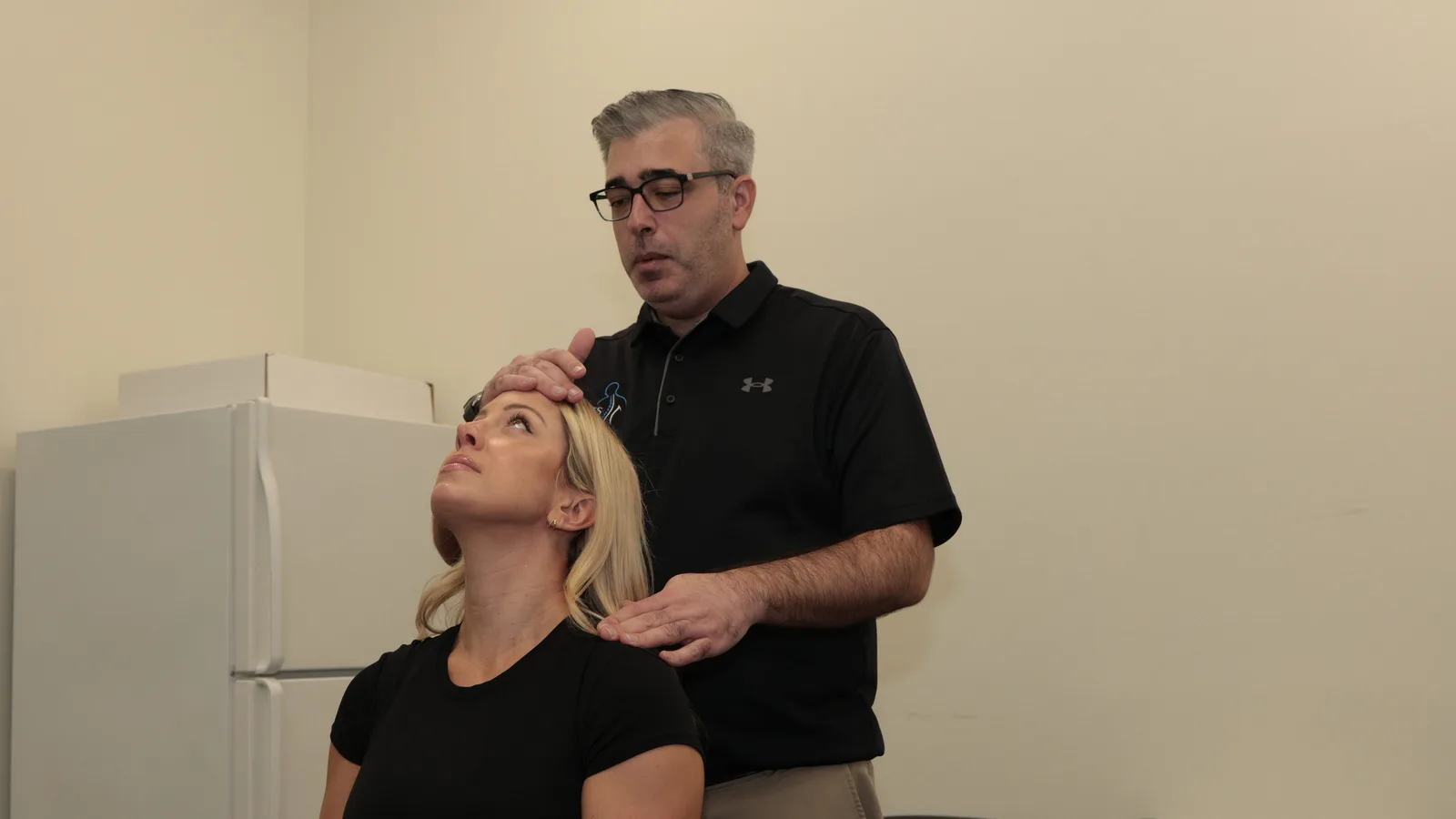
If you've recently been in a car accident, you might be tempted to brush it off and move on with your life. Maybe the collision seemed minor. Maybe you felt okay right after. But here's what many people don't realize: some of the most serious auto injury symptoms don't show up right away. They quietly develop in the background while you go about your day — and by the time you feel the full impact, significant damage may have already been done. At Heights Chiropractic Center in Houston, TX, we see this pattern all the time, and our goal is to help you recognize the warning signs before a manageable injury becomes something much harder to treat.
What is an auto injury? An auto injury refers to any physical trauma sustained during a vehicle accident. These injuries can affect the muscles, ligaments, joints, spine, and nervous system — often in ways that aren't immediately obvious on the surface.
- Sign #1: Your Pain Showed Up Days Later
- Sign #2: You're Experiencing Headaches or Dizziness
- Sign #3: Your Neck or Back Feels Stiff and Limited
- Sign #4: You Have Tingling, Numbness, or Weakness
- Sign #5: Your Sleep, Mood, or Concentration Has Changed
- How Chiropractic Care Helps After an Auto Injury
- What You Can Do Right Now
- When to See a Chiropractor After a Car Accident
- Myths vs. Facts About Auto Injuries
- You Don't Have to Figure This Out Alone
Sign #1: Your Pain Showed Up Days Later
This is one of the most common scenarios Dr. Aaron Dushkin encounters at Heights Chiropractic Center. A patient walks in and says, "I felt fine right after the accident, but three days later I could barely turn my neck." Delayed onset pain is not a sign that you weren't hurt — it's often a sign that your body's adrenaline response masked the injury in those first critical hours.
During a car accident, your body goes into a stress response. Adrenaline and other stress hormones flood your system, temporarily dulling your perception of pain. Soft tissue injuries — including muscle strains, ligament sprains, and whiplash — often don't become symptomatic until that adrenaline fades and inflammation begins to set in. This process can take anywhere from 24 hours to several days.
The danger here is waiting. Many people assume that if they don't feel pain immediately, they weren't seriously hurt. But soft tissue damage left untreated can lead to chronic pain, scar tissue formation, and long-term mobility issues. If you've been in an accident — even a low-speed one — getting evaluated promptly is always the right move.
Sign #2: You're Experiencing Headaches or Dizziness
Post-accident headaches are extremely common, and they're also frequently dismissed. People attribute them to stress, dehydration, or poor sleep after a traumatic event. While those factors can contribute, persistent headaches following a car accident are often a direct symptom of cervicogenic dysfunction — meaning they originate from misalignment or muscle tension in the cervical spine (your neck).
Whiplash — the rapid back-and-forth snapping of the neck that commonly occurs during rear-end collisions — can disrupt the vertebrae, surrounding muscles, and nerve pathways in ways that directly trigger headache patterns. Dizziness after an accident can also point to cervical spine involvement, as the structures in the upper neck are closely tied to your sense of balance and spatial orientation.
Here in Houston, many patients come into Heights Chiropractic Center after being told their headaches are "just stress." After a thorough evaluation, we often find that the root cause is structural — and that's something chiropractic care is well-positioned to address. If you're experiencing recurring headaches or dizziness after an auto injury, please don't chalk it up to coincidence.
Sign #3: Your Neck or Back Feels Stiff and Limited
Reduced range of motion after a car accident is a red flag that something deeper is going on. A little soreness after a fender-bender might seem normal, but if you're struggling to rotate your head, bend forward without wincing, or sit for longer than a few minutes without discomfort — your body is telling you something important.
Stiffness and limited motion often reflect inflammation in the joints, muscle guarding (where your muscles tighten to protect an injured area), or vertebral misalignment affecting how your spine moves. Left unchecked, these patterns can cause your body to compensate — shifting weight and movement to other areas — which often leads to secondary pain in the shoulders, hips, or lower back.
Spinal mobility is one of the core things the team at Heights Chiropractic Center evaluates after an auto injury. Restoring proper joint motion through gentle, targeted chiropractic adjustments can make a significant difference in both short-term comfort and long-term recovery. The sooner this is addressed, the better the outcomes tend to be.
Sign #4: You Have Tingling, Numbness, or Weakness
This is one sign that should never be ignored. If you're feeling tingling or numbness in your arms, hands, legs, or feet after a car accident, it may indicate nerve involvement. Nerves can become compressed or irritated when spinal structures are displaced or inflamed — a direct result of the forces involved in a collision.
Radiating pain, electric sensations, or a feeling of weakness in the extremities can all point to nerve root irritation or disc involvement in the cervical or lumbar spine. These symptoms suggest that the auto injury may have gone beyond simple muscle strain and into territory that warrants careful evaluation and a thorough treatment approach.
Dr. Aaron Dushkin takes these symptoms seriously. At Heights Chiropractic Center, we conduct a detailed assessment to understand where nerve involvement may be originating, and we coordinate care appropriately to make sure patients in the Houston community are getting the level of attention their injury requires. If you're experiencing any of these sensations after a car accident, please reach out sooner rather than later.
Sign #5: Your Sleep, Mood, or Concentration Has Changed
This sign catches people off guard. Most folks don't immediately connect changes in sleep quality, mood shifts, or brain fog to a physical injury from a car accident. But the connection is very real. The nervous system is intimately involved in regulating sleep cycles, emotional balance, and cognitive function — and physical trauma to the spine can disrupt these processes in meaningful ways.
Additionally, being in pain (even mild pain you've "gotten used to") is exhausting. Chronic low-grade discomfort elevates stress hormones, interrupts restorative sleep, and affects your ability to focus. Patients who come into Heights Chiropractic Center often report that after their auto injury symptoms begin to resolve with chiropractic care, their sleep and overall sense of wellbeing improve as well.
This doesn't mean chiropractic care is a mental health treatment — it isn't. But when musculoskeletal dysfunction is contributing to systemic stress on the body, addressing it at the source can have a positive ripple effect across many areas of health. If your mood or mental clarity has been off since your accident, it's worth mentioning to your care team.
How Chiropractic Care Helps After an Auto Injury
Chiropractic care is one of the most well-established conservative approaches for treating the types of injuries sustained in car accidents. It's non-surgical, drug-free, and focused on addressing the root cause of pain rather than simply masking symptoms. Research published through organizations like the National Institutes of Health and the American Chiropractic Association indicates that chiropractic intervention can play a meaningful role in recovery from whiplash-associated disorders and spinal soft tissue injuries.
At Heights Chiropractic Center, Dr. Aaron Dushkin evaluates each patient individually. No two accidents are alike, and no two bodies respond the same way. Care is personalized to what your spine, muscles, and nervous system actually need — not a one-size-fits-all protocol. Treatment may include spinal adjustments to restore proper joint alignment and motion, soft tissue work to address muscle tension and inflammation, and guidance on movement and posture during recovery.
The goal isn't just to reduce pain in the short term. It's to restore your body's function, prevent the development of chronic conditions, and help you return to the life you were living before the accident. Houston residents have access to this kind of thoughtful, individualized care right here at Heights Chiropractic Center — and we encourage anyone dealing with post-accident symptoms to come in for a consultation.
What You Can Do Right Now
While professional evaluation is always the most important first step after an auto injury, there are some general things you can do in the meantime to support your recovery and avoid making things worse.
First, avoid the instinct to "push through" the pain. Ignoring symptoms and staying in your normal routine without adjustment can aggravate injured tissues and slow healing. Gentle movement is generally better than complete rest, but anything that causes sharp or worsening pain should be paused.
Second, pay attention to your sleeping position. Lying on your back with a pillow that supports the natural curve of your neck is often more comfortable after a cervical injury than sleeping on your stomach. Body mechanics at rest matter as much as they do during the day.
Third, avoid prolonged periods of sitting in one position, especially if you work at a desk. Short movement breaks every 30 to 45 minutes can help prevent stiffness from setting in. And finally — document your symptoms. Write down when pain occurs, what makes it better or worse, and any new symptoms that develop. This information is genuinely helpful when your chiropractor is building your treatment plan.
When to See a Chiropractor After a Car Accident
The honest answer is: as soon as possible. Even if you feel okay, a post-accident evaluation can identify subtle injuries before they escalate. Most chiropractors, including our team at Heights Chiropractic Center, recommend being seen within the first 72 hours of an accident when possible. The earlier care begins, the better the opportunity to reduce inflammation, restore joint mobility, and prevent scar tissue from forming in damaged soft tissues.
That said, it's never "too late" to seek care. Patients come in weeks or even months after an accident with unresolved symptoms, and chiropractic care can still make a meaningful difference in those cases. However, the recovery process tends to be smoother and faster when treatment begins early.
There are also situations where immediate medical attention should come first. If you experience loss of consciousness, severe headache that comes on suddenly, confusion, difficulty speaking, significant weakness, or any signs of a medical emergency after an accident, go to an emergency room right away. Chiropractic care is an excellent complement to medical care, not a replacement for emergency treatment when it's needed.
| Symptom | Possible Cause | Recommended Action |
|---|---|---|
| Neck pain (delayed onset) | Whiplash / soft tissue injury | See a chiropractor promptly |
| Persistent headaches | Cervicogenic dysfunction / joint misalignment | Chiropractic evaluation recommended |
| Limited neck/back range of motion | Muscle guarding / vertebral misalignment | Chiropractic evaluation and care |
| Tingling or numbness in limbs | Nerve compression / disc involvement | Prompt evaluation; may need imaging referral |
| Sleep disruption / brain fog | Nervous system stress / chronic pain burden | Address underlying musculoskeletal cause |
| Loss of consciousness / confusion | Possible traumatic brain injury | Seek emergency medical care immediately |
Myths vs. Facts About Auto Injuries
Myth: If the crash was minor, my injury can't be serious.
Fact: The severity of vehicle damage doesn't reliably predict the severity of injury to the occupants. Low-speed collisions can still generate enough force to cause significant soft tissue damage, particularly whiplash. The size of the vehicle, the position of the occupant, and the direction of impact all play a role. A minor-looking fender-bender absolutely warrants an evaluation if you're experiencing any symptoms.
Myth: If I don't have pain right away, I'm fine.
Fact: As explained throughout this article, delayed pain is extremely common after car accidents. Adrenaline, inflammation timelines, and the gradual onset of muscle guarding can all mask injury for days. Many patients who seek chiropractic care for auto injuries report that their symptoms appeared 24 to 72 hours after the accident — not immediately.
Myth: Chiropractic care is only for back pain.
Fact: While chiropractic care is widely known for addressing back and neck pain, it encompasses the entire musculoskeletal and nervous system. Auto injuries affect joints, muscles, ligaments, and nerves throughout the body. Chiropractic evaluation and care is appropriate for a wide range of post-accident symptoms, including headaches, shoulder tension, hip discomfort, and more.
Myth: I should just rest and wait it out.
Fact: Complete rest and "waiting it out" is not typically the most effective approach for soft tissue auto injuries. Evidence in musculoskeletal care increasingly supports early, gentle movement and conservative treatment. Waiting too long can allow scar tissue to form, joints to stiffen, and compensatory movement patterns to set in — all of which make recovery more complex.
Myth: Chiropractic adjustments after a car accident are dangerous.
Fact: When performed by a licensed chiropractor following a thorough assessment, spinal adjustments are considered a safe and effective form of conservative care for post-accident injuries. Dr. Aaron Dushkin and the team at Heights Chiropractic Center take every precaution to ensure care is appropriate to each patient's specific condition and comfort level.
You Don't Have to Figure This Out Alone
Dealing with the aftermath of a car accident is stressful enough without having to wonder whether your body is healing the way it should. The five signs outlined in this article are real patterns that Dr. Aaron Dushkin and the Heights Chiropractic Center team observe regularly among patients in the Houston community — and they're patterns that often respond very well to early, thoughtful chiropractic care.
You don't need to be in severe pain to deserve an evaluation. You don't need to have visible injuries. If something feels off after your accident, trust that instinct. Our team is here to listen, assess, and help you understand what's actually going on with your body — without pressure, without unnecessary alarm, and with genuine care for your long-term wellbeing.
If you're in the Houston area and you've recently been in an auto accident, we warmly invite you to come in and connect with us at Heights Chiropractic Center. An initial consultation is a simple, low-pressure way to get answers and start moving in the right direction. Your health is worth taking seriously — and so is your peace of mind.
Frequently Asked Questions
How soon after a car accident should I see a chiropractor?
Ideally, within 72 hours of the accident — even if you feel okay. Early evaluation allows a chiropractor to identify soft tissue injuries before symptoms fully develop and before inflammation has a chance to worsen. The sooner care begins, the smoother recovery tends to be.
Can chiropractic care help with whiplash?
Yes. Whiplash is one of the most common auto injuries, and chiropractic care is a widely recognized conservative treatment for it. Spinal adjustments, soft tissue techniques, and movement guidance have been shown to help restore cervical function and reduce whiplash-related pain.
What should I bring to my first chiropractic appointment after an auto injury?
It's helpful to bring any documentation from the accident, including medical records if you visited an emergency room, a description of your symptoms and when they started, and any imaging results you may have. The more context your chiropractor has, the more accurate and tailored your care will be.
Is chiropractic care after an auto accident covered by insurance?
Coverage varies depending on your specific insurance plan and state regulations. Many auto insurance policies include personal injury protection (PIP) or medical payments coverage that may apply to chiropractic care. It's best to contact Heights Chiropractic Center directly to discuss your situation.
Can I see a chiropractor if I'm also receiving care from a medical doctor?
Absolutely. Chiropractic care works well alongside medical treatment. In fact, a coordinated approach that includes both chiropractic and medical care is often more effective for complex auto injuries. Dr. Aaron Dushkin and the team at Heights Chiropractic Center are happy to collaborate with other healthcare providers involved in your care.
What if my pain comes and goes — should I still get checked?
Yes. Intermittent pain after an auto injury can still reflect underlying structural issues that deserve evaluation. Pain that fades on its own doesn't always mean the injury has resolved — it may simply mean inflammation has temporarily decreased. A professional assessment gives you a much clearer picture than symptoms alone.
TL;DR — Key Takeaways
- Auto injury symptoms — including pain, stiffness, headaches, tingling, and mood changes — often don't appear immediately after a car accident, which means feeling "fine" right away doesn't mean you're uninjured.
- Delayed-onset symptoms are common and can become chronic if left untreated, making early evaluation at a place like Heights Chiropractic Center in Houston, TX an important step.
- Chiropractic care is a safe, drug-free, non-surgical option for treating common auto injuries including whiplash, soft tissue damage, and spinal misalignment.
- Tingling, numbness, or weakness in the limbs after an accident should always be evaluated promptly, as these may indicate nerve involvement.
- The sooner you seek care after an auto injury, the better your chances of a smoother, more complete recovery — don't wait for symptoms to get worse before reaching out.